Gardeners for tricky access gardens in Greenwich terraces
Posted on 27/10/2026
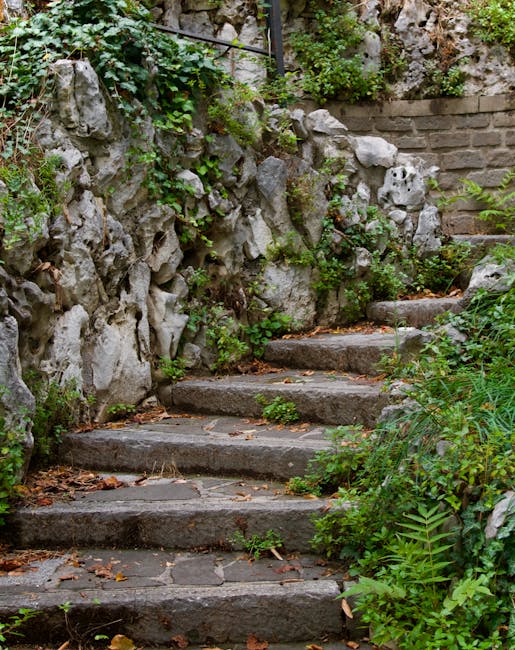
Gardeners for tricky access gardens in Greenwich terraces: making awkward outdoor spaces work beautifully
If you live in a Greenwich terrace, you probably already know the problem: the garden is there, but getting to it, working in it, or moving materials through it can feel like a small logistical puzzle. Narrow side passages, basement steps, shared entrances, split levels, flimsy fences, tight rear access, and those awkward "just out of reach" corners all make a simple tidy-up turn into a proper job. That is exactly where Gardeners for tricky access gardens in Greenwich terraces become worth their weight in gold.
This guide breaks down how access-challenged terrace gardens are assessed, maintained, and improved without causing damage, stress, or endless back-and-forth. You will find practical advice on choosing the right approach, understanding the realities of tight access, and deciding when specialist help is the sensible option. To be fair, it is rarely about having a bigger budget; it is usually about having a smarter plan.
Why Gardeners for tricky access gardens in Greenwich terraces matters
Terrace gardens in Greenwich are often compact, charming, and full of character. They are also often awkward. A lovely planted border may sit behind a flight of steps. A shed may only be reachable by carrying tools through the house. The compost area might be tucked in a corner that gets little light and even less room to manoeuvre. None of this means the garden is a problem; it just means it needs a different way of being worked on.
That is why access matters so much. In a typical open garden, most jobs are straightforward: move equipment in, do the work, clear up. In a tricky access garden, each of those steps needs a bit more thought. If that thought is missing, the result is often worn paving, damaged paintwork, upset neighbours, or half-finished work because the tools simply could not get where they needed to go.
In our experience, the real issue is not the garden itself. It is the assumption that all gardens can be handled the same way. They cannot. A terrace garden may need smaller tools, lighter materials, a phased approach, or plant choices that reduce ongoing maintenance. Sometimes it needs all four.
If you want a useful starting point for shaping the whole space, the planning mindset behind launching a garden transformation is especially helpful. It encourages you to look at the garden as a sequence of manageable jobs rather than one giant disruption.
How Gardeners for tricky access gardens in Greenwich terraces works
The best way to approach a difficult-access terrace garden is with an assessment first. Not a rushed glance. A proper look at the entrances, surfaces, turning space, storage, drainage, and what can realistically be brought in and taken out without drama. A good gardener will think about movement as much as planting.
Usually, the work falls into a few stages:
- Access review - checking gates, steps, alleyways, rear entry points, and any narrow or shared routes.
- Task mapping - deciding what needs doing now, what can wait, and what should be split into smaller visits.
- Tool and material planning - choosing equipment that can be carried safely, stored sensibly, and used without damaging the property.
- Site protection - laying boards, covers, or temporary protection where wheelbarrows, bags, or tools may pass over sensitive surfaces.
- Work execution - pruning, weeding, planting, clearing, or redesigning in a sequence that keeps the site tidy as you go.
- Waste removal and finish - making sure green waste, soil, cuttings, and packaging can be removed without leaving the place looking like a small battlefield.
That last part matters more than people think. A narrow terrace can go from calm to chaotic very quickly if bags, pots, and cuttings are left stacked in the wrong place. The rhythm of the job has to fit the access, not the other way round.
For jobs that involve planting in containers, raised sections, or smaller pockets, container gardening is often a smart fit. It is easier to position, easier to replace later, and kinder to tight spaces where every inch counts.
Key benefits and practical advantages
When the access is difficult, the benefits of a careful, experienced approach become much more obvious. You are not just paying for labour. You are paying for fewer mistakes, less disruption, and better use of limited space.
- Less risk of damage to railings, paving, walls, or painted surfaces.
- Cleaner working because tools and waste are handled in a planned way.
- Better plant choices for shade, wind, drought, or low-light conditions often found in terrace gardens.
- Improved safety where steps, slopes, and confined walkways make carrying loads awkward.
- More privacy if the design uses hedging, climbers, or layered planting well.
- Longer-lasting results because maintenance is designed around the access constraints from the outset.
There is also a subtle benefit that people underestimate: calm. A garden that used to feel impossible starts to feel usable again. You stop seeing a blocked-off utility yard and start seeing a proper room outdoors. That shift is surprisingly powerful.
If you are looking to reduce recurring upkeep, a low-input planting plan can help. Articles such as designing a low-maintenance garden on a budget and choosing ground covers for UK gardens are useful complements to this topic because they address maintenance at the design stage, not just the tidy-up stage.
Who this is for and when it makes sense
This kind of support is ideal for homeowners and tenants in Greenwich terraces who are dealing with one or more of these realities:
- rear access through the house only
- narrow side return access
- steep or uneven steps
- limited storage for tools and materials
- shared access with neighbours
- small gardens that still need serious work
- overgrown planting in a space that is difficult to reach properly
It also makes sense if you want to improve the garden but know that bulky landscaping is going to be a headache. Maybe you have been putting off the job because the thought of getting soil bags through the kitchen feels, frankly, ridiculous. That is normal. Very normal.
People often assume tricky access means they should just do the minimum forever. Not necessarily. It usually means the garden needs sharper planning, better materials, and maybe a bit of patience. If children or pets use the space, that matters too. Safe layouts and durable surfaces reduce future hassle, which is why related advice from garden safety ideas for children and dog-friendly backyard layouts can be surprisingly relevant.
Step-by-step guidance
If you are planning work in a Greenwich terrace with awkward access, use this sequence. It keeps decision-making sane. Mostly.
- Walk the route first
Check exactly how people, tools, plants, and waste will move in and out. Measure narrow points if needed. The obvious route is not always the workable one. - List what the garden actually needs
Separate urgent work from nice-to-have ideas. A tangled ivy issue is not the same as a decorative planting refresh. Prioritise what affects access, safety, or plant health. - Choose compact methods
Hand tools, sackable waste, modular containers, and lighter materials are often better than oversized equipment. A lot of gardening problems become simpler once the gear gets smaller. - Protect the route
If soil or pots must pass through a hall, use clean coverings and keep a clear trail. It sounds basic, but it prevents many headaches. - Work from the outside in
Start with access-clearing, then overgrown edges, then planting and finishing details. If you begin at the wrong end, you end up boxing yourself in. - Build for maintenance, not just beauty
Use planting that suits the light, wind, and exposure. A terrace garden in Greenwich can be breezier than people expect, especially higher up or between buildings. - Set a repeatable care routine
Small gardens can deteriorate quickly if they are ignored for a month or two. A steady maintenance rhythm is easier than recovery work later.
If the space has vertical potential, use it. Walls, trellises, and narrow structures can free up floor space, and vertical gardening is one of the smartest solutions in a terrace setting. It also helps with screening, which is handy when neighbouring windows overlook the garden a bit too much.
Expert tips for better results
Here is the practical bit. These are the choices that tend to make the biggest difference in difficult-access gardens.
- Use lighter materials where possible. Small-format paving, lightweight planters, and compost delivered in smaller quantities can save a lot of strain.
- Keep the planting structure simple. Too many species in a tiny space can look busy and become hard to maintain.
- Choose evergreen structure. In a terrace garden, winter visibility matters. A bit of shape through the colder months stops the space feeling bare.
- Think about wind. Exposed terraces can dry out quickly. A sheltered seating corner or wind-tolerant planting makes the space more comfortable.
- Group tasks. Weeding, pruning, and light shaping often work best when done together rather than piecemeal.
- Leave room to work. It sounds obvious, but people sometimes plant right up to the point where no one can kneel, reach, or turn around.
For planting in dimmer corners, evergreen climbers can be a real help. They soften brick, add height, and make awkward nooks feel intentional. You can see that thinking in this guide to evergreen climbers, which is a neat match for narrow terrace boundaries.
Also, don't ignore clean-up strategy. Weeds in confined spaces can become slippery, awkward, and persistent, especially in warm weather. A useful companion read is summer weed control tips, because prevention is easier than fighting a full takeover later on.
Common mistakes to avoid
Tricky access gardens tend to fail for very predictable reasons. Most of them are avoidable, which is the annoying part.
- Buying plants before measuring access. A lovely plant is not so lovely if it cannot physically get through the gate.
- Assuming standard equipment will fit. Full-size kit can be a nuisance in narrow terraces.
- Ignoring waste removal. Even a small job creates bags, roots, cuttings, and broken material. Plan where it goes.
- Overcrowding the layout. Compact does not mean cramped. Leaves need air movement, and people need somewhere to stand.
- Forgetting maintenance access. A lovely border that cannot be reached later is not a good design choice.
- Using thirsty planting without a watering plan. Terrace gardens can dry out quickly in pots and raised sections.
There is another one, less obvious: leaving ivy or self-seeded growth to "sort itself out". It rarely does. If a climber is starting to behave like it owns the place, it will need attention. The article on sustainable ivy control is a sensible reference point here.
Tools, resources and recommendations
Access-challenged gardens do not need fancy gear. They need the right gear. That is a different thing entirely.
| Need | Better choice | Why it helps |
|---|---|---|
| Tight pathways | Compact hand tools | Easier to carry and safer near walls or railings |
| Heavy waste | Small fill sacks or staged removal | Reduces strain and keeps routes clearer |
| Windy terrace | Weighty pots and wind-tolerant planting | Prevents toppling and plant stress |
| Low-light corners | Evergreen climbers and shade plants | Adds structure without constant seasonal replanting |
| Repeated weed growth | Mulch and ground cover | Suppresses weeds and reduces routine weeding |
Good resources are not just about tools. They also include planning habits. A simple seasonal approach, a sensible maintenance routine, and the right planting mix go much further than trying to "fix everything" in one go. If you like a gentler, neater aesthetic, a zen-inspired garden approach can suit terraces beautifully, especially where space is tight and clutter makes access worse.
It is also worth reading up on weather protection if your terrace is exposed. Sudden rain, winter winds, and drying sun all hit small gardens hard. The guidance in weatherproofing your garden oasis is especially useful when space has to work hard all year.
Law, compliance and best practice
For domestic garden work in Greenwich terraces, the main concerns are usually practical safety, neighbourly access, and making sure work is carried out responsibly. If a gardener is operating professionally, you would normally expect sensible health and safety practices, clear communication, and appropriate insurance arrangements. That is just good industry practice.
If access is shared, tight, or adjacent to other homes, care matters even more. Tools should be handled safely, waste should not block communal routes, and any work near walls, fences, or boundaries should be done without creating avoidable damage. If climbing equipment, tree work, or powered cutting is involved, caution goes up again. Simple enough, really.
For customers, trust signals matter. Reading a company's insurance and safety information, checking its health and safety policy, and understanding the terms and conditions can help you know what to expect before any work starts.
It is also reasonable to look at how a business handles concerns, data, and accessibility. The pages on complaints handling, privacy, and accessibility help build a fuller picture. None of that is glamorous, admittedly, but it is part of choosing someone you can trust in a home setting.
Options and comparison table
Not every terrace garden needs the same level of support. Sometimes a few well-placed changes are enough. Sometimes the access issue makes specialist help the clear winner.
| Approach | Best for | Pros | Limitations |
|---|---|---|---|
| DIY maintenance | Very small jobs, regular upkeep | Low cost, flexible timing | Can be tiring, slow, and awkward with poor access |
| One-off specialist tidy-up | Overgrown gardens or access-heavy clearances | Fast progress, better handling of logistics | May not solve long-term design issues |
| Phased garden improvement | Gardens needing both cleanup and redesign | Spreads effort and disruption over time | Requires patience and planning |
| Low-maintenance redesign | Busy households, hard-to-reach spaces | Reduces future work, improves usability | Needs upfront thought and possibly more initial spend |
For many Greenwich terrace gardens, the best answer is a blend: a tidy-up now, a smarter planting plan next, and a maintenance routine after that. The same logic works for most small urban gardens. Not flashy. Just effective.
Case study or real-world example
Picture a rear terrace garden behind a Victorian home in Greenwich. The only access is through the kitchen, past a narrow doorway and down a short flight of steps. The space itself is small but not tiny; the real problem is that everything feels hard to move, hard to store, and hard to maintain.
The first visit focuses on clearing the route and sorting out the worst overgrowth. A patch of ivy is removed carefully, weeds are dealt with, and containers are repositioned so the path is usable again. Next, the planting is simplified. A few robust evergreen plants provide shape, while smaller herbs sit in movable pots close to the door for easy picking. A compact seating spot is added only after the working space is clear. That order matters.
A few weeks later, the garden is easier to water, simpler to clean, and less likely to fall back into chaos after one wet spell. The owner still has to look after it, of course. But now the garden works with the access rather than against it. That is the real win.
If you are thinking along those lines, a garden refresh supported by regular maintenance can be more useful than a big one-off makeover. And if part of the challenge is hard paving or a neglected sitting area, the approach used in patio cleaning can help restore the usable parts of the garden before you add anything new.
Practical checklist
Use this before you book any work or start a DIY project in a difficult-access terrace garden:
- Measure all gates, side returns, doors, and steps that materials will pass through.
- Identify the narrowest point on the route in and out.
- List what must be removed, repaired, planted, or reshaped.
- Decide whether waste can leave the garden in bags or needs staged removal.
- Check whether the garden is windy, shaded, overlooked, or prone to drying out.
- Choose plants that suit the access as well as the light conditions.
- Make sure tools and materials can be stored safely while work is underway.
- Protect indoor flooring and outdoor surfaces if the route passes through the house.
- Allow room for future maintenance, not just for the finished look.
- Use a phased plan if the garden is too constrained for a single visit.
Expert summary: In tricky access terrace gardens, the smartest solution is rarely the most dramatic one. It is usually the one that respects the route, reduces clutter, and makes maintenance easier next month, not just prettier today.
Conclusion
Gardeners for tricky access gardens in Greenwich terraces are about more than simply getting plants into a tight space. They are about understanding how a garden lives, how people move through it, and how to make good use of every awkward inch without turning the process into a nuisance. That is the real craft here.
With the right planning, even a cramped or awkward terrace can become organised, calm, and genuinely enjoyable. Start with the access, build around the realities of the space, and keep the maintenance practical. Do that, and the garden stops feeling like a compromise. It starts feeling like yours.
Get a free quote today and see how much you can save.
And if your terrace has been quietly annoying you for years, don't worry - gardens have a funny way of coming good once someone finally gives them the right kind of attention.

Leveraging her wealth of experience as a gardening manager, Katie has guided countless customers in achieving their ideal garden arrangements. Her articles highlight sustainable gardening techniques and hassle-free service provisions.