Garden maintenance gardeners for Maze Hill residents Greenwich
Posted on 19/10/2026
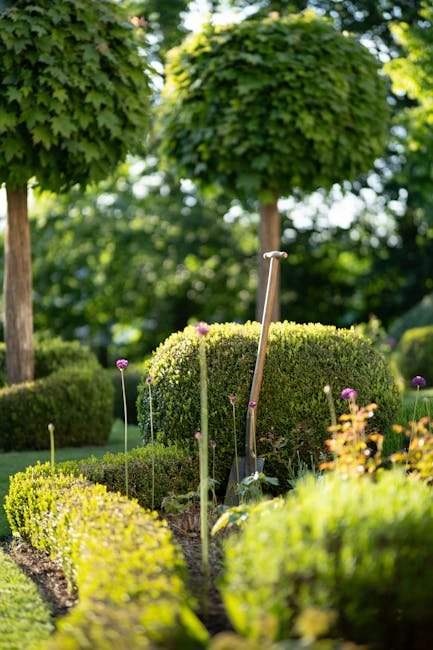
If you live in Maze Hill and your garden keeps slipping from "nearly sorted" to "where do we even start?", you are in good company. Gardens in Greenwich have a habit of looking beautiful one week and a bit unruly the next, especially when weather, shade, and busy routines all pull in different directions. That is where garden maintenance gardeners for Maze Hill residents Greenwich can make a real difference: not just cutting things back, but keeping your outdoor space healthy, usable, and quietly under control all year round.
This guide explains what regular garden maintenance actually includes, how a good local gardener works, what to expect, and how to choose the right level of support for your home. It also covers practical tips for keeping costs sensible, avoiding common mistakes, and making sure your garden feels like part of the home rather than another job waiting on the list.
Why Garden maintenance gardeners for Maze Hill residents Greenwich Matters
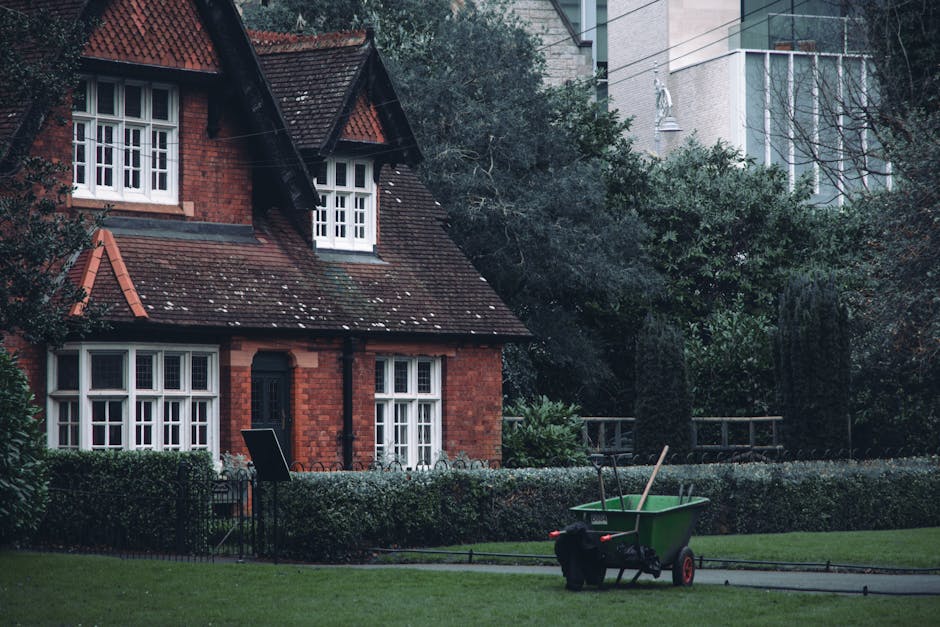
Maze Hill is one of those places where outdoor space can be both a pleasure and a puzzle. Some homes have compact front plots, some have long back gardens, and others have paved areas that need careful balancing so they do not become either too bare or too high-maintenance. Add Greenwich's wind, damp patches, summer weeds, and winter dieback, and you quickly see why regular upkeep matters.
A neglected garden rarely stays "just a little untidy". Growth builds up. Paths become slippery. Hedges lose shape. Lawns thin out. Ivy finds its way into awkward corners. Before long, a small patch of missed maintenance becomes a bigger, more expensive recovery job. A well-planned maintenance routine prevents that slide and keeps the space manageable instead of overwhelming.
For many residents, the bigger issue is time. You may know what the garden needs, but there is only so much Saturday you want to spend on pruning, edging, clearing, and trying to work out why the lawn looks patchy again. That is not laziness; it is real life. Professional upkeep is often less about luxury and more about keeping a home environment in good shape without the stress.
There is also a design benefit people underestimate. When maintenance is done well, the garden starts to feel coherent. Borders look intentional. Structure plants hold their shape. The whole place reads as cared for, even if it is not flashy. To be fair, that calm, tidy feeling is often what people want most.
How Garden maintenance gardeners for Maze Hill residents Greenwich Works
Good garden maintenance is not a one-off blitz with a mower and a bin bag. It is a repeatable process built around the specific conditions of the garden, the season, and how the space is used. For Maze Hill homes, that usually means a mix of practical care and observation. What needs attention now? What should be left to settle? What will become a problem in three weeks if nobody touches it?
In a typical visit, a gardener may start with a visual check. They will look for weeds, damaged growth, pest pressure, drainage issues, bare soil, and anything blocking access or affecting safety. Then comes the work itself: mowing, trimming, weeding, edging, light pruning, leaf clearance, and general tidying. Depending on the garden, it may also include hedge work, border refreshes, seasonal cutbacks, and clearing hard surfaces such as patios or paths.
Some gardens need a fixed schedule, such as fortnightly or monthly visits. Others need seasonal appointments with more intensive work in spring and autumn. A smart maintenance plan usually combines routine care with targeted tasks. That might mean a spring reset, summer weed control, autumn leaf management, and winter protection. If you want deeper ideas on keeping growth in check during warmer months, the article on summer weed control is a useful companion read.
In practice, a good gardener is also making small decisions as they go. They may leave seed heads for structure, reduce a shrub rather than butcher it, or recommend a ground cover rather than endless hand-weeding. That kind of judgement matters. Anyone can cut things down. Not everyone understands what the garden needs next.
Key Benefits and Practical Advantages
For Maze Hill residents, the main advantage is simple: a garden that looks maintained without demanding every spare hour you have. But there are several layers to that benefit.
- Better plant health: Regular pruning, feeding, and clearing improves air flow, reduces disease pressure, and keeps plants from competing too aggressively.
- Less weed spread: Small weeds are much easier to stop than established ones. Consistent maintenance breaks that cycle early.
- Safer surfaces: Damp leaves, moss, loose debris, and overgrown edges can make paths and steps awkward. A tidy garden is a safer garden.
- Sharper appearance: A neat border or well-cut hedge can lift the feel of the whole property. It sounds minor, but it really does change the mood.
- Better use of space: Maintenance can reclaim seating spots, access routes, and planting areas that have quietly become cluttered.
- More predictable costs: Ongoing care often avoids the bigger spend that comes with a full restore-after-neglect project.
There is also a practical comfort to regular upkeep that people feel almost straight away. You step outside, and the space is ready. Not perfect, necessarily. Just ready. That is a different experience from opening the back door and sighing a little.
If you are trying to reduce future work rather than simply keep up with it, it can help to look at layout choices as well as maintenance. Ideas from designing a low-maintenance garden on a budget can be a sensible complement to regular care, because the right structure cuts workload before it starts.
Who This Is For and When It Makes Sense
Not every garden needs weekly attention, but many homes benefit from professional support at certain points in the year. In Maze Hill, the people who tend to get the most value include:
- busy homeowners who want the garden kept tidy without sacrificing weekends
- older residents who want a dependable, lighter-touch service
- landlords who need outdoor areas to stay presentable between tenancies
- families with pets or children, where safety and usability matter
- new movers who are still discovering what is planted where
- property owners preparing for selling, renting, or hosting guests
It also makes sense if you are dealing with a garden that has a lot of mixed features. Maybe there is a lawn, a hedge line, a few stubborn beds, some ivy creeping where it should not, and a patio that always seems to need clearing. In those cases, maintenance is less about one job and more about coordinating several small ones before they turn into a mess.
There is a good moment to bring in support, too. If you notice the same tasks repeating-weed growth, hedge trimming, lawn recovery, leaf fall, pruning-then you are probably past the point where occasional DIY care feels efficient. That is usually the moment when a maintenance plan starts making real sense.
And yes, if you are the sort of person who buys one pair of gloves and a second-hand fork and then thinks "I've got this", you may still benefit from a pro. Most gardens humble us eventually. It happens to the best of us.
Step-by-Step Guidance
A sensible maintenance routine does not need to be complicated. In fact, the simpler it is, the more likely it is to stick.
- Assess the garden properly. Start with a clear picture of what is actually there: lawn condition, hedge lines, weed pressure, soil quality, drainage, and any difficult zones such as shaded corners or narrow access.
- Set priorities. Not everything needs immediate attention. Safety issues, overgrowth, and dying plants usually come before cosmetic touches.
- Choose the right frequency. Weekly, fortnightly, monthly, or seasonal visits all work in different situations. The right rhythm depends on growth rate, garden size, and how much you can handle between visits.
- Build in seasonal jobs. Spring clean-up, summer weed control, autumn leaf management, and winter protection should be planned rather than guessed.
- Use the right technique for each area. A lawn, for example, needs a different approach from a border or hedge. If your grass needs a dedicated rhythm, lawn mowing in Greenwich can be part of the wider plan, while lawn care supports long-term health rather than just appearance.
- Review the results. After a few visits, check what improved and what still needs attention. Good maintenance should become more efficient over time, not less.
A small but important detail: maintenance should create momentum. If the same patch keeps failing, the answer may not be "more effort". It may be changing the planting, the drainage, the edging, or the way you use the space. That is where thoughtful gardeners earn their keep.
Expert Tips for Better Results
Here is where a bit of real-world experience helps. The gardens that stay in good condition are rarely the ones with the fanciest plants. They are the ones with repeatable habits and realistic expectations.
1. Tackle weeds before they set seed. It sounds obvious, but timing is everything. A quick pass every couple of weeks is far easier than a heroic rescue at the end of summer. For a second layer of practical advice, see simple weed-control tips.
2. Keep borders defined. Clean edging makes a garden look cared for even when planting is modest. It also helps stop grass and weeds wandering into beds.
3. Let structure do some work. Evergreen shrubs, climbers, and ground covers can reduce the amount of bare soil that weeds love. If you have a dark or awkward corner, evergreen climbers for dark nooks can turn a problem spot into something useful.
4. Mulch, but do it properly. A good mulch helps conserve moisture and suppress weed growth. It is not decorative confetti; it is a working layer. Use it where it genuinely supports the bed.
5. Work with the weather, not against it. A windy site needs different plant choices and support than a sheltered one. Greenwich gardens can be more exposed than people expect, so weatherproofing matters. The guide to weatherproofing your garden is useful here.
6. Keep a note of recurring trouble spots. That patch that always floods, that hedge that always flops, that wall corner where ivy keeps returning-those are clues, not annoyances. They tell you what the garden really needs.
7. Don't overcut everything. A little shape is good. Hard cutting at the wrong time can leave plants stressed and the garden looking harsh. Gentle, consistent work usually wins.
One more thing: if your garden starts to feel like a series of "nearly fixed" jobs, pause and step back. Sometimes the best move is not another hour of tinkering, but a clearer plan. Bit dramatic? Maybe. Still true.
Common Mistakes to Avoid
Most garden problems that turn expensive started out small and ignored. That is the honest version.
- Waiting too long between visits: Maintenance is easier when growth is still manageable.
- Cutting hedges or shrubs too aggressively: This can leave bare patches and weaken the plant.
- Using the wrong fix for weeds: Pulling tops off perennials, for example, rarely solves the actual problem.
- Ignoring drainage or shade issues: If a area stays wet or dark, the same trouble will keep coming back.
- Mixing plant styles without a plan: A garden can look busy and messy if there is no structure beneath the planting.
- Focusing only on appearance: A tidy surface looks nice, but root health, soil condition, and plant spacing matter just as much.
A very common one in Greenwich is underestimating wind and exposure. Plants can look fine for a few months and then suddenly lean, shred, or dry out. If that sounds familiar, windproofing techniques are worth reading before you replace the same plant for the third time. There is a point where the joke stops being funny.
Tools, Resources and Recommendations
Good maintenance is easier with the right kit. You do not need every tool in the shed, but a few dependable items make a noticeable difference.
| Task | Useful tools | Why they help |
|---|---|---|
| Weeding | Hand fork, hoe, kneeler, gloves | Lets you remove weeds cleanly without damaging nearby planting |
| Pruning | Shrub secateurs, loppers, pruning saw | Improves control and reduces plant stress |
| Lawn upkeep | Mower, edging shears, rake | Supports neat lines and healthier grass |
| Leaf and debris clearance | Rake, broom, garden bags | Prevents slipperiness and rot build-up |
| Soil improvement | Compost, mulch, spade, fork | Helps feed beds and improve structure over time |
It is also worth using the garden itself as part of the solution. Stronger planting choices can reduce workload. For example, low-growing plants are often a better fit than bare soil in difficult borders, and container planting can be a tidy answer for small or awkward spaces. If you are exploring that route, container gardening ideas can help.
For people who like to stay hands-on, a sensible starter list includes secateurs, a hand fork, a spade, a rake, a hose or watering can, and sturdy gloves. There is a temptation to buy fancy things. You do not need a gadget cathedral in the shed. Just solid basics.
Law, Compliance, Standards and Best Practice
Garden maintenance is not a heavily regulated service in the way some trades are, but there are still sensible standards and duties to keep in mind. A professional gardener should work safely, respect property boundaries, and handle waste responsibly. If they are using machinery, tools, or access equipment, safe practice matters a great deal.
For homeowners, the main practical point is to choose a gardener who takes safety seriously. That includes sensible equipment use, clear communication, and care around fragile surfaces, pets, children, and shared access routes. If your garden includes trees, tall hedges, awkward slopes, or hard-to-reach sections, that caution becomes even more important.
It is also wise to check how waste is managed. Green waste should be dealt with properly, and materials should not be dumped casually. If composting or reuse is part of the approach, that is often a good sign. The idea of organic waste becoming soil nourishment is a practical example of how waste can be turned into a resource.
Best practice also means clear expectations. A gardener should explain what is included, what is not included, and what may need extra time or separate planning. If a service offer feels vague, that is usually a sign to slow down and ask more questions.
Options, Methods and Comparison Table
Different gardens need different maintenance approaches. The best choice depends on how much growth you have, how often the space is used, and whether you want basic tidying or deeper horticultural care.
| Approach | Best for | Pros | Trade-offs |
|---|---|---|---|
| Ad hoc tidy-up | Occasional resets or very small gardens | Simple, flexible, quick to arrange | Problems can build up between visits |
| Regular maintenance visits | Most homes with ongoing growth | Keeps the garden consistent and manageable | Requires a routine and a budget |
| Seasonal visits | Gardens that need heavier spring/autumn work | Good for cutbacks, clearances, and resets | Less effective for rapid summer growth |
| Maintenance plus improvement work | Gardens that need structure as well as care | Solves recurring issues at their root | May need a larger initial spend |
In many Maze Hill gardens, the most effective setup is a blend: regular maintenance for the day-to-day basics, plus occasional improvement work for hedges, borders, and problem areas. That might include a little shaping, some soil work, and maybe a better planting choice rather than repeating the same patch-up job.
If your space is about privacy as much as appearance, you may also find inspiration in fast-growing hedge options. A well-placed hedge can reduce maintenance elsewhere by giving structure, shelter, and screening all at once.
Case Study or Real-World Example
Imagine a typical Maze Hill garden: a modest lawn, a narrow side path, a border that gets excellent shade in one corner and full sun in another, plus a hedge that seems to grow faster than anyone wants to admit. The owner has been keeping on top of it, more or less, but the garden always feels one step behind.
In a case like this, a maintenance visit often starts with a reset. The weeds are cleared from edges and hard surfaces, the hedge is brought back into shape, the lawn is cut properly rather than rushed, and the borders are tidied so plants can actually breathe. If there is ivy encroaching, it gets dealt with before it tightens its grip. If there are bare patches, the gardener may suggest a more suitable ground cover instead of leaving the area exposed.
What usually happens next is interesting. The space stops feeling like a collection of chores and starts feeling like a usable garden again. The owner can sit down without seeing six unfinished jobs in every direction. And because the maintenance is regular, the following visit is lighter. That is the hidden win: fewer dramatic rescues, more calm continuity.
A real example like this is also where you start seeing practical plant choices pay off. A shady corner might be better served by structure and foliage than by trying to force a sun-loving display into place. A seating area might need shelter and definition. A mixed-use family garden might need child-friendly access routes, not just more flowers. If you want to think more creatively about that kind of transformation, garden transformation ideas can be a helpful prompt.
Practical Checklist
Use this as a quick reality check before you book support or plan your next garden visit.
- Check whether the garden needs routine maintenance, seasonal work, or both.
- List the areas that cause the most frustration: lawn, hedge, borders, weeds, paths, or planting.
- Decide how often the garden tends to slip back into disorder.
- Note any safety issues such as slippery paving, low branches, or uneven access.
- Think about whether you want the garden kept tidy, improved, or redesigned over time.
- Review whether your plant choices suit the light, wind, and soil conditions.
- Ask how waste and clippings will be handled.
- Be clear about budget limits and preferred visit frequency.
- Consider whether the garden needs extra help with lawn care, hedging, or larger tasks.
- Keep an eye on recurring issues rather than treating every problem as a one-off.
Expert summary: the best maintenance plan is usually the one that matches your garden's actual pace of growth, not the one you hope it has. That small difference saves time, money, and frustration.
Conclusion
For Maze Hill residents, garden maintenance is about more than keeping things neat. It is about making an outdoor space easy to live with, pleasant to look at, and less demanding over time. A good gardener brings rhythm, judgement, and consistency to the job, which is often what a garden needs most. Not a dramatic overhaul. Just steady, thoughtful care.
Whether your space needs lawn work, hedge shaping, weed control, seasonal tidying, or a more structured maintenance plan, the key is to stay ahead of problems rather than chase them after the fact. That approach is calmer, more practical, and usually more affordable in the long run.
And if your garden has been nagging at you for a while, that does not mean it is beyond help. Truth be told, most gardens respond well once someone gives them proper attention.
Get a free quote today and see how much you can save.

Leveraging her wealth of experience as a gardening manager, Katie has guided countless customers in achieving their ideal garden arrangements. Her articles highlight sustainable gardening techniques and hassle-free service provisions.